Prophets in Islam: The Complete Guide to All 25 Prophets
The 25 prophets of Islam in order:
- Adam
- Idris (Enoch)
- Nuh (Noah)
- Hud
- Saleh
- Ibrahim (Abraham)
- Lut (Lot)
- Ismail (Ishmael)
- Ishaq (Isaac)
- Yaqub (Jacob)
- Yusuf (Joseph)
- Ayyub (Job)
- Shuaib
- Musa (Moses)
- Harun (Aaron)
- Dhul-Kifl
- Dawud (David)
- Sulaiman (Solomon)
- Ilyas (Elijah)
- Al-Yasa (Elisha)
- Yunus (Jonah)
- Zakariya (Zechariah)
- Yahya (John)
- Isa (Jesus)
- Muhammad ﷺ
The complete list of all 25 prophets mentioned by name in the Holy Quran — from Prophet Adam (AS) to Prophet Muhammad (SAW) — with their stories, teachings, family lineage, and Quran references. Of the 124,000 messengers sent throughout history per Islamic tradition, five are designated Ulul Azm (those of strong resolve): Nuh, Ibrahim, Musa, Isa, and Muhammad (peace be upon them all).
In Islam, prophets (anbiya) are individuals chosen by Allah to deliver His message to humanity. They serve as role models of faith, patience, and devotion. While the exact number of prophets sent throughout history is believed to be 124,000, the Quran mentions 25 prophets by name.
Every prophet in Islam preached the same fundamental message: the Oneness of Allah (Tawhid), the avoidance of idolatry and sin, and belief in the Day of Judgment. From the first human being, Prophet Adam, to the final messenger, Prophet Muhammad, their stories form the backbone of Islamic faith and history.
"And We certainly sent into every nation a messenger, saying: Worship Allah and avoid false gods."
Surah An-Nahl (16:36)Below is the complete list of all 25 prophets in Islam in chronological order, along with their Arabic names, English equivalents, key Quran references, and links to their full stories in the Qissah app.
Complete List of All 25 Prophets Mentioned in the Quran
All prophets mentioned by name in the Holy Quran, in chronological order
| # | Prophet Name | Arabic | English Equivalent | Known For | Quran Reference | Story |
|---|---|---|---|---|---|---|
| 1 | Adam (AS) | آدم | Adam | The first human and first prophet | Al-Baqarah 2:30-39 | Read → |
| 2 | Idris (AS) | إدريس | Enoch | Raised to a high station by Allah | Maryam 19:56-57 | Read → |
| 3 | Nuh (AS) | نوح | Noah | The Great Flood and the Ark | Hud 11:25-49 | Read → |
| 4 | Hud (AS) | هود | Heber | Sent to the people of 'Ad | Hud 11:50-60 | Read → |
| 5 | Saleh (AS) | صالح | Methusaleh | The miracle of the She-Camel | Hud 11:61-68 | Read → |
| 6 | Ibrahim (AS) | إبراهيم | Abraham | The Friend of Allah (Khalilullah) | Al-Baqarah 2:124-141 | Read → |
| 7 | Lut (AS) | لوط | Lot | The destruction of Sodom | Hud 11:77-83 | Read → |
| 8 | Ismail (AS) | إسماعيل | Ishmael | The Great Sacrifice | As-Saffat 37:100-111 | Read → |
| 9 | Ishaq (AS) | إسحاق | Isaac | The gift of old age to Ibrahim | As-Saffat 37:112-113 | Read → |
| 10 | Yaqub (AS) | يعقوب | Jacob | The patient father of Yusuf | Yusuf 12:4-101 | Read → |
| 11 | Yusuf (AS) | يوسف | Joseph | The most beautiful story in the Quran | Yusuf 12:1-111 | Read → |
| 12 | Shu'aib (AS) | شعيب | Jethro | Sent to the people of Madyan | Hud 11:84-95 | Coming soon |
| 13 | Ayyub (AS) | أيوب | Job | The epitome of patience | Al-Anbiya 21:83-84 | Read → |
| 14 | Dhul-Kifl (AS) | ذو الكفل | Ezekiel | The one of double reward | Al-Anbiya 21:85-86 | Coming soon |
| 15 | Musa (AS) | موسى | Moses | Liberation from Pharaoh, most mentioned prophet | Al-Qasas 28:1-46 | Read → |
| 16 | Harun (AS) | هارون | Aaron | Brother and helper of Musa | Ta-Ha 20:29-36 | Coming soon |
| 17 | Dawud (AS) | داود | David | Given the Zabur (Psalms), defeated Jalut | Al-Baqarah 2:251 | Coming soon |
| 18 | Sulayman (AS) | سليمان | Solomon | King who commanded jinn and animals | An-Naml 27:15-44 | Coming soon |
| 19 | Ilyas (AS) | إلياس | Elijah | Called his people away from idol Ba'l | As-Saffat 37:123-132 | Coming soon |
| 20 | Al-Yasa (AS) | اليسع | Elisha | Chosen among the best of people | Sad 38:48 | Coming soon |
| 21 | Yunus (AS) | يونس | Jonah | Swallowed by the whale | Al-Anbiya 21:87-88 | Read → |
| 22 | Zakariya (AS) | زكريا | Zechariah | Father of Yahya, guardian of Maryam | Maryam 19:2-11 | Coming soon |
| 23 | Yahya (AS) | يحيى | John the Baptist | Given wisdom as a child | Maryam 19:12-15 | Coming soon |
| 24 | Isa (AS) | عيسى | Jesus | Born miraculously, performed miracles | Al-Imran 3:42-64 | Read → |
| 25 | Muhammad (SAW) | محمد | Muhammad | The Seal of the Prophets | Muhammad 47:1-4 | Read → |
Listen to all 25 prophet stories beautifully narrated in 8 languages with Quran references
Detailed Guide to Each Prophet in Islam
In-depth look at all 25 prophets mentioned in the Quran, their stories, trials, and teachings
1. Prophet Adam (AS) آدم
Prophet Adam (AS) is the first human being ever created and the first prophet in Islam. Allah fashioned him from clay and breathed His spirit into him, then taught him the names of all things -- a knowledge that even the angels did not possess. When Allah commanded the angels to prostrate before Adam, they all obeyed except Iblis (Satan), who refused out of arrogance, claiming he was superior because he was created from fire while Adam was created from clay.
Adam and his wife Hawwa (Eve) were placed in Paradise and given freedom to enjoy everything except one tree. Tempted by Iblis, they ate from the forbidden tree. Upon realizing their error, they turned to Allah in sincere repentance with the words: "Our Lord, we have wronged ourselves, and if You do not forgive us and have mercy upon us, we will surely be among the losers" (Quran 7:23). Allah accepted their repentance and sent them to Earth as His vicegerents (khalifah). Adam's story establishes the core themes of all prophetic narratives: free will, temptation, repentance, and divine mercy.
Read the full story of Prophet Adam →2. Prophet Idris (AS) إدريس
Prophet Idris (AS) is one of the earliest prophets mentioned in the Quran and is widely identified as Enoch in the Judeo-Christian tradition. The Quran describes him as a man of truth and patience, and notably states that Allah "raised him to a high station" (Quran 19:57). Scholars have interpreted this elevation as both a spiritual rank and a physical ascension to the heavens.
Idris (AS) is regarded in Islamic tradition as one of the first people to write with a pen, and he is credited with introducing early forms of knowledge including astronomy, mathematics, and tailoring. He called his people to worship Allah alone and to lead lives of righteousness. His emphasis on seeking knowledge and living with moral discipline made him a model for scholars and truth-seekers. Though the Quran mentions him briefly, his legacy as a prophet of wisdom and elevated station is firmly established in Islamic belief.
Read the full story of Prophet Idris →3. Prophet Nuh (AS) نوح
Prophet Nuh (AS), known as Noah in the Bible, is one of the five greatest prophets in Islam (Ulul Azm) and one of the most enduring figures in religious history. He preached the message of monotheism to his people for an extraordinary 950 years, yet only a small number believed. His people mocked him, threatened him, and stubbornly clung to their idol worship. Despite decades of relentless rejection, Nuh (AS) never abandoned his mission.
When Allah decreed punishment for the disbelievers, He commanded Nuh to build a great Ark. As the waters rose in the Great Flood, Nuh and the believers boarded the vessel along with pairs of every animal species. In one of the Quran's most heartbreaking scenes, Nuh's own son refused to board the Ark, choosing disbelief, and was drowned with the rest. Nuh cried out to Allah for his son, but was told: "He is not of your family; indeed, his work was unrighteous" (Quran 11:46). The story of Nuh teaches that faith, not blood ties, determines one's standing with Allah, and that perseverance in da'wah is a duty regardless of results.
Read the full story of Prophet Nuh →4. Prophet Hud (AS) هود
Prophet Hud (AS) was sent to the ancient people of 'Ad, a powerful and prosperous civilization that lived in the region of Al-Ahqaf in southern Arabia. The people of 'Ad were known for their immense physical strength and their impressive architecture -- they built towering structures and monuments as displays of power. However, they became arrogant, worshipping idols and oppressing the weak, believing that no force could challenge them.
Hud (AS) called them to abandon their idols and worship Allah alone, reminding them that their strength and prosperity were gifts from Allah that could be taken away. They dismissed him as a fool and demanded to see the punishment he warned them about. Allah sent upon them a fierce, barren wind that raged for seven nights and eight days, destroying everything in its path and leaving the 'Ad civilization in ruins. Only Hud and the believers were saved. The story of Hud (AS) is a powerful reminder that worldly power and material wealth cannot protect anyone from Allah's decree.
Read the full story of Prophet Hud →5. Prophet Saleh (AS) صالح
Prophet Saleh (AS) was sent to the people of Thamud, who inhabited the rocky regions of northwest Arabia, carving magnificent homes into the mountains. Like the 'Ad before them, the Thamud were gifted with skills and resources but turned to idol worship and corruption. They demanded a miraculous sign from Saleh (AS) before they would consider believing in his message.
Allah responded by sending a miraculous she-camel that emerged from a rock -- a clear divine sign. Saleh (AS) warned his people that this was Allah's camel and that they must let her graze freely and share their water source with her. For a time they complied, but eventually a group of wicked men hamstrung and killed the she-camel in defiance. Saleh (AS) warned them that punishment would come within three days. As promised, a tremendous earthquake and a blast from the sky destroyed the Thamud completely. The lesson of Saleh (AS) is about respecting divine signs and the consequences of transgressing Allah's clear commands.
Read the full story of Prophet Saleh →6. Prophet Ibrahim (AS) إبراهيم
Prophet Ibrahim (AS), known as Abraham, holds one of the most exalted positions in Islam. He is called "Khalilullah" -- the Friend of Allah -- and is one of the five Ulul Azm prophets. His life was defined by a series of extraordinary trials that he met with unwavering faith. As a young man, Ibrahim used logical reasoning to reject the idol worship of his father and community, famously smashing the idols and challenging his people to see that their handmade gods could do nothing.
When his people threw him into a raging fire as punishment, Allah commanded the fire to be "cool and safe" for Ibrahim (Quran 21:69). He was later tested with the command to sacrifice his beloved son Ismail. When both father and son submitted to Allah's will and Ibrahim placed the knife to his son's throat, Allah replaced Ismail with a ram -- a test of devotion that Muslims commemorate every year during Eid al-Adha. Ibrahim and Ismail together raised the foundations of the Kaaba in Makkah, the holiest site in Islam, and Ibrahim's prayer for that sacred city is fulfilled to this day. He is the patriarch from whom both the Arab and Israelite prophetic lines descend.
Read the full story of Prophet Ibrahim →7. Prophet Lut (AS) لوط
Prophet Lut (AS), known as Lot in the Bible, was the nephew of Prophet Ibrahim (AS). He traveled with Ibrahim and was eventually sent as a prophet to the people of Sodom and the surrounding cities near the Dead Sea. The inhabitants of these cities were engaged in widespread moral corruption and transgression, including practices that no nation before them had committed. Lut (AS) tirelessly called them to repentance and moral reform, but they responded with hostility and threatened to expel him.
When the people's corruption reached an extreme, Allah sent angels in the form of handsome young men to Lut's home. The townspeople rushed to his house with evil intentions, and Lut (AS) was deeply distressed, feeling powerless to protect his guests. The angels then revealed their true identity and told Lut to leave with his family during the night, warning that his wife would be among those left behind because she had secretly supported the wrongdoers. At dawn, Allah overturned the cities and rained upon them stones of baked clay, destroying them utterly. Lut's story is a profound warning about the consequences of societal moral decay and the importance of standing for righteousness even when alone.
Read the full story of Prophet Lut →8. Prophet Ismail (AS) إسماعيل
Prophet Ismail (AS), known as Ishmael, was the firstborn son of Prophet Ibrahim (AS) and Hajar (Hagar). As an infant, he and his mother were taken by Ibrahim to the barren valley of Makkah by Allah's command and left there with only dates and water. When the water ran out, Hajar desperately ran between the hills of Safa and Marwa seven times searching for water -- a journey that Muslims reenact during Hajj and Umrah to this day. Allah answered their need by causing the Zamzam well to spring forth beneath baby Ismail's feet.
The defining moment of Ismail's story is the Great Sacrifice. When Ibrahim saw in a dream that he should sacrifice his son -- and prophetic dreams are a form of revelation -- he told Ismail, who responded with remarkable submission: "O my father, do as you are commanded. You will find me, if Allah wills, among the patient" (Quran 37:102). This complete surrender to Allah's will by both father and son is the very essence of Islam (submission). Allah, pleased with their devotion, replaced Ismail with a ram. Ismail later helped his father rebuild the Kaaba and is considered the ancestor of the Arab people and, through them, of Prophet Muhammad (SAW).
Read the full story of Prophet Ismail →9. Prophet Ishaq (AS) إسحاق
Prophet Ishaq (AS), known as Isaac, was the second son of Prophet Ibrahim (AS), born to his wife Sarah in their extreme old age. His birth was itself a miracle -- when the angels came to Ibrahim with the good news, Sarah laughed in disbelief because she was elderly and barren. The Quran records: "And his wife was standing, and she smiled. Then We gave her good tidings of Ishaq, and after Ishaq, Yaqub" (Quran 11:71). This miraculous birth was a reward from Allah for Ibrahim's lifelong devotion and sacrifice.
Ishaq (AS) grew to become a righteous prophet who continued his father Ibrahim's mission of calling people to monotheism. The Quran describes him as blessed and among the righteous: "And We blessed him and Ishaq. But among their descendants is the doer of good and the clearly unjust to himself" (Quran 37:113). He is the father of Prophet Yaqub (Jacob) and therefore the grandfather of the twelve tribes of Israel. Through Ishaq, the Israelite line of prophets was established, which would include Yusuf, Musa, Dawud, Sulayman, and Isa (peace be upon them all).
Read the full story of Prophet Ishaq →10. Prophet Yaqub (AS) يعقوب
Prophet Yaqub (AS), known as Jacob in the Bible and also called "Israel," was the son of Prophet Ishaq (AS) and the grandson of Prophet Ibrahim (AS). He was blessed with twelve sons, from whom the twelve tribes of Bani Israel (the Children of Israel) descended. His story is inseparable from that of his beloved son Yusuf, and it is primarily through Surah Yusuf that we learn about Yaqub's exemplary character.
When Yaqub's older sons deceived him about Yusuf's fate -- bringing a bloodstained shirt and claiming a wolf had devoured him -- Yaqub's grief was immense, yet his response was one of profound faith: "Beautiful patience is most fitting. And Allah is the one sought for help against what you describe" (Quran 12:18). He wept for Yusuf for years until he lost his eyesight, yet he never despaired of Allah's mercy, telling his sons: "Indeed, no one despairs of Allah's mercy except the disbelieving people" (Quran 12:87). When Yusuf was finally reunited with his family in Egypt and placed his shirt over Yaqub's eyes, his sight was restored. Yaqub's story is the ultimate lesson in patience (sabr) and maintaining hope in Allah through prolonged hardship.
Read the full story of Prophet Yaqub →11. Prophet Yusuf (AS) يوسف
Prophet Yusuf (AS), known as Joseph, is unique among the prophets because Allah Himself calls his narrative "the best of stories" (Quran 12:3). An entire surah is dedicated to his life, making it the most complete and continuous prophetic biography in the Quran. Blessed with exceptional beauty and the ability to interpret dreams, Yusuf's life was a series of dramatic reversals -- from beloved son, to the bottom of a well, to slavery, to prison, and finally to the highest seat of power in Egypt.
As a child, Yusuf told his father Yaqub about a dream in which eleven stars, the sun, and the moon prostrated before him. His jealous brothers threw him into a well and told their father he had been killed by a wolf. He was found by a passing caravan and sold into slavery in Egypt, where he served in the house of a powerful minister. When the minister's wife tried to seduce him and he refused, he was falsely accused and imprisoned for years. In prison, his gift for dream interpretation became known, and eventually the King of Egypt summoned him to interpret a disturbing dream about seven fat cows and seven lean cows. Yusuf's accurate interpretation and wise counsel led to his appointment as minister over Egypt's storehouses. When his brothers came to Egypt during a famine, Yusuf ultimately revealed himself and forgave them -- a profound act of mercy that demonstrates that forgiveness, not revenge, is the way of the prophets.
Read the full story of Prophet Yusuf →12. Prophet Shu'aib (AS) شعيب
Prophet Shu'aib (AS), identified by many scholars as the biblical Jethro, was sent to the people of Madyan (Midian) and the Companions of the Thicket (Ashab al-Aykah). His people were engaged in commercial fraud -- they would cheat in weights and measures, shortchanging buyers while overcharging sellers. Beyond their economic dishonesty, they also blocked roads to intercept and rob travelers and spread corruption throughout the land.
Shu'aib (AS) was known as "Khatib al-Anbiya" (the eloquent preacher among the prophets) because of his powerful, persuasive speech. He called his people to worship Allah alone and to practice fair, honest dealings in their trade: "Give full measure and full weight, and do not deprive people of their due, and do not spread corruption in the land after its reform" (Quran 7:85). Despite his eloquent warnings, the people of Madyan rejected him and were destroyed by a mighty earthquake and a scorching blast. Shu'aib's story is particularly relevant in today's world as a reminder that economic justice, honest business practices, and fair trade are not just legal obligations but religious commandments.
13. Prophet Ayyub (AS) أيوب
Prophet Ayyub (AS), known as Job, is the ultimate symbol of patience (sabr) in Islamic tradition. He was initially blessed with immense wealth, a large family, good health, and a high standing among his people. His life was one of gratitude and devotion to Allah. However, Allah tested him with a series of devastating losses -- his wealth was taken, his children perished, and his body was afflicted with a severe illness that caused people to abandon him. Only his devoted wife remained by his side.
Despite years of unbearable suffering, Ayyub (AS) never complained against Allah or questioned His decree. When his pain reached its peak, he called upon Allah with a beautiful supplication: "Indeed, adversity has touched me, and You are the Most Merciful of the merciful" (Quran 21:83). Notice that he did not ask to be cured -- he simply acknowledged his suffering and affirmed Allah's mercy. Allah responded immediately, commanding him to strike the ground with his foot, causing a spring of cool water to gush forth. He was restored to full health, his family was returned to him doubled, and his wealth was replenished. Ayyub's story teaches that tests from Allah are not punishments but opportunities to draw closer to Him, and that patience in hardship is rewarded beyond measure.
Read the full story of Prophet Ayyub →14. Prophet Dhul-Kifl (AS) ذو الكفل
Prophet Dhul-Kifl (AS) is mentioned twice in the Quran -- in Surah Al-Anbiya (21:85-86) and Surah Sad (38:48) -- where he is praised alongside Ismail and Idris as being among the patient and righteous. His name, which literally means "the one of the double portion" or "the one who guaranteed," has led scholars to various interpretations about his identity. Many scholars identify him with the biblical prophet Ezekiel, while others suggest he may have been a righteous successor to Prophet Ilyas (Elijah).
What the Quran emphasizes about Dhul-Kifl is his outstanding patience and his inclusion among the best of people: "And remember Ismail and Al-Yasa and Dhul-Kifl, and all are among the outstanding" (Quran 38:48). Islamic tradition suggests he was known for honoring his commitments, praying during the night, fasting during the day, and judging between people with fairness. Some narrations describe a promise he made to carry on the mission of a previous prophet, which he fulfilled with complete dedication. His story, though brief in the Quran, serves as a reminder that consistency in worship, keeping one's promises, and quiet, steadfast righteousness are qualities beloved by Allah.
15. Prophet Musa (AS) موسى
Prophet Musa (AS), known as Moses, is the most frequently mentioned prophet in the entire Quran, appearing by name approximately 136 times. He is one of the five Ulul Azm prophets and his story is the most detailed prophetic narrative in Islam. Born during a time when Pharaoh was killing all newborn Israelite boys, his mother placed him in a basket on the Nile River by divine inspiration. Remarkably, Allah arranged for him to be raised in the very palace of the tyrant who sought to destroy him.
As an adult, Musa accidentally killed a man and fled to Madyan, where he worked for Prophet Shu'aib for ten years. On his return journey, he encountered the burning bush at Mount Tur, where Allah spoke to him directly -- making Musa "Kalimullah" (the one who conversed with Allah). He was given two miracles: his staff that transformed into a serpent and his hand that shone with brilliant white light. He confronted Pharaoh with these signs, but Pharaoh's heart was hardened. After nine plagues, Musa led Bani Israel out of Egypt, and Allah parted the Red Sea for them while drowning Pharaoh and his army. Musa then received the Torah on Mount Sinai, establishing divine law for his people. His story encompasses themes of liberation from oppression, direct communion with Allah, leadership, and the struggle to guide a stubborn community.
Read the full story of Prophet Musa →16. Prophet Harun (AS) هارون
Prophet Harun (AS), known as Aaron, was the elder brother of Prophet Musa (AS) and a prophet in his own right. When Allah commissioned Musa to confront Pharaoh, Musa made a heartfelt request: "And appoint for me a minister from my family -- Harun, my brother. Increase through him my strength and let him share my task" (Quran 20:29-32). Allah granted this request, making Harun a partner in one of the greatest prophetic missions in history.
Harun was known for his eloquence and gentle manner, complementing Musa's more direct approach. He served as the spokesperson and the calming presence that helped convey the divine message effectively. When Musa went to Mount Sinai to receive the Torah, he left Harun in charge of Bani Israel. During Musa's absence, the Samiri led the people astray by constructing a golden calf for them to worship. Harun tried to prevent this but was overwhelmed by the people. When Musa returned and confronted him angrily, Harun responded: "O son of my mother, indeed the people oppressed me and were about to kill me" (Quran 7:150). Harun's story illustrates the importance of teamwork in conveying truth, the challenge of leadership, and how even a prophet can face difficulty controlling a determined crowd bent on sin.
17. Prophet Dawud (AS) داود
Prophet Dawud (AS), known as David, was both a king and a prophet -- a rare combination in Islamic history. He is famous for defeating the giant warrior Jalut (Goliath) as a young man, when the armies of Bani Israel faced the forces of the Philistines. While experienced soldiers hesitated, Dawud stepped forward with faith and courage, striking down Jalut and turning the tide of battle. This victory led to his eventual appointment as king over the Israelites.
Allah blessed Dawud with extraordinary gifts: he was given the Zabur (Psalms), a beautiful voice that caused the mountains and birds to glorify Allah alongside him (Quran 34:10), and the ability to mold iron with his bare hands to make coats of armor. He was also renowned as a just judge. The Quran relates how two disputants came to him -- one claiming that the other's single ewe should be added to his ninety-nine -- and Dawud realized the case was a test of his own judgment. He fasted regularly, alternating days of fasting with days of eating -- a practice that Prophet Muhammad (SAW) later described as the most beloved voluntary fast to Allah. Dawud's life demonstrates that worldly authority and spiritual devotion can coexist when a leader remains humble and conscious of Allah.
18. Prophet Sulayman (AS) سليمان
Prophet Sulayman (AS), known as Solomon, was the son of Prophet Dawud (AS) and inherited his father's kingdom and prophethood. He was granted a dominion unlike any before or after him -- Allah gave him command over the wind, which traveled at his bidding; power over the jinn, who built for him structures, statues, and vast basins; and the ability to understand the language of birds and animals. When he surveyed his army of men, jinn, and birds, he expressed gratitude rather than pride.
Among the most famous episodes in his life is his encounter with the Queen of Sheba (Bilqis), who ruled over a kingdom where her people worshipped the sun. Through wisdom rather than war, Sulayman invited her to the worship of the One God. He had her throne transported to his palace before her arrival and tested her with a floor made of crystal that she mistook for water. Amazed by his wisdom and the signs of Allah's power, she submitted to Islam along with Sulayman. Despite ruling the greatest kingdom on Earth, Sulayman remained a grateful servant of Allah, always praying: "My Lord, enable me to be grateful for Your favor" (Quran 27:19). His story teaches that true greatness lies not in dominion but in gratitude, wisdom, and using one's blessings for righteous purposes.
19. Prophet Ilyas (AS) إلياس
Prophet Ilyas (AS), identified as Elijah in the Bible, was sent to the people of Baalbek in ancient Lebanon to call them away from the worship of the idol Ba'l (Baal). Ba'l worship was deeply entrenched in the culture of the time, and the people had abandoned the monotheistic teachings of earlier prophets. Ilyas (AS) stood virtually alone against an entire society, boldly declaring: "Will you not fear Allah? Do you call upon Ba'l and leave the best of creators -- Allah, your Lord and the Lord of your forefathers?" (Quran 37:124-126).
Despite his courageous preaching, the majority of his people rejected his message and continued their idol worship. The Quran confirms that they denied him and that they would be brought for punishment, but makes an exception: "Except the chosen servants of Allah" -- the small group of believers who followed Ilyas. The Quran honors him with the salutation: "Peace be upon Ilyas! Indeed, We thus reward the doers of good. Indeed, he was among Our believing servants" (Quran 37:130-132). Ilyas's story is a testament to the courage required to speak truth to a society deeply attached to falsehood, and the honor that Allah bestows upon those who stand firm in their convictions.
20. Prophet Al-Yasa (AS) اليسع
Prophet Al-Yasa (AS), identified with the biblical Elisha, is mentioned twice in the Quran -- in Surah Al-An'am (6:86) and Surah Sad (38:48). In both instances, he is praised among an honored group of prophets. In Surah Al-An'am, he is listed alongside Ibrahim, Ishaq, Yaqub, Nuh, Dawud, Sulayman, Ayyub, Yusuf, Musa, and Harun as those whom Allah guided and favored. In Surah Sad, he is described alongside Ismail and Dhul-Kifl as "among the outstanding."
Islamic scholars and historians report that Al-Yasa (AS) succeeded Prophet Ilyas (AS) and continued his mission of calling the people away from idol worship and back to the worship of Allah alone. He is said to have been a devoted student and companion of Ilyas before being entrusted with the prophetic mission himself. Though the Quran does not provide extensive narrative details about his life, his inclusion among the elite group of prophets and the emphasis on his being "chosen" and "among the best" speaks volumes about his rank and righteousness. Al-Yasa's story reminds us that not every significant contribution to faith requires a dramatic narrative -- consistent, faithful service to Allah's cause is itself a mark of excellence.
21. Prophet Yunus (AS) يونس
Prophet Yunus (AS), known as Jonah and also called "Dhun-Nun" (the one of the whale), was sent to the people of Nineveh, a great city in ancient Mesopotamia (modern-day Iraq). He called his people to worship Allah and abandon their wickedness, but they stubbornly rejected his message. Frustrated and disheartened by their refusal, Yunus left his people before receiving Allah's permission to do so, boarding a ship that set sail across the sea.
When a violent storm threatened to sink the vessel, the crew cast lots to determine who should be thrown overboard to lighten the ship, and the lot fell on Yunus. He was cast into the raging sea, where a great whale swallowed him whole. In the darkness of the whale's belly, in the depths of the ocean, in the darkness of the night, Yunus cried out with one of the most powerful supplications in the Quran: "There is no deity except You; exalted are You. Indeed, I have been of the wrongdoers" (Quran 21:87). Allah heard his prayer and commanded the whale to cast him ashore. Meanwhile, his people -- seeing the signs of impending punishment -- repented sincerely, and Allah forgave them. Yunus's story teaches the crucial lesson that a believer must never give up on people, must never leave a mission without Allah's permission, and that sincere repentance and dhikr can rescue a person from the deepest darkness.
Read the full story of Prophet Yunus →22. Prophet Zakariya (AS) زكريا
Prophet Zakariya (AS), known as Zechariah, was an elderly prophet from Bani Israel who served as the guardian of Maryam (Mary), the mother of Prophet Isa (Jesus). Every time Zakariya entered Maryam's prayer chamber to bring her provisions, he found her already supplied with fresh fruits out of season. When he asked her where the food came from, she replied: "It is from Allah. Indeed, Allah provides for whom He wills without account" (Quran 3:37).
Witnessing this miracle ignited a deep longing in Zakariya's heart. Despite his advanced age and his wife's barrenness, he turned to Allah in private supplication: "My Lord, indeed my bones have weakened, and my head has filled with white, and never have I been in my supplication to You, my Lord, unhappy" (Quran 19:4). He asked for a son who would carry on the prophetic legacy and serve as a guardian of his people. Allah answered his prayer and gave him the glad tidings of a son named Yahya -- a name that had never been given to anyone before. As a sign, Zakariya was unable to speak to people for three days, communicating only through gestures while glorifying Allah. His story is a powerful testament that Allah's power transcends all natural limitations, and that a sincere supplication is never too late or too hopeless.
23. Prophet Yahya (AS) يحيى
Prophet Yahya (AS), known as John the Baptist, was the miraculous son of Prophet Zakariya (AS). His very birth was a sign from Allah -- born to elderly parents who had been childless their entire lives. The Quran states that Allah gave him wisdom even as a child: "O Yahya, hold firmly to the Scripture. And We gave him judgment while yet a boy" (Quran 19:12). He was also described as having tenderness from Allah, purity, and God-consciousness (taqwa).
Yahya (AS) was the first to confirm the truthfulness of Isa (Jesus) and the divine word that came through him. He lived a life of extreme piety, devoting himself entirely to worship and calling people to righteousness. The Quran describes him as "dutiful to his parents, and he was not a disobedient tyrant" (Quran 19:14). He was blessed with peace from Allah on the day he was born, the day he would die, and the day he would be raised alive. Islamic tradition describes Yahya as a man of great asceticism and moral courage who was martyred for speaking against the immoral conduct of a ruling authority. His life, though brief, exemplifies how dedication to truth and purity from a young age can elevate a person to the highest spiritual ranks.
24. Prophet Isa (AS) عيسى
Prophet Isa (AS), known as Jesus, holds a unique and revered position in Islam as one of the five Ulul Azm prophets. He was born miraculously to Maryam (Mary) without a father, by the direct command of Allah: "Be, and it was" (Quran 3:47). His birth, his life, and his mission are described extensively in the Quran, and an entire surah (Surah Maryam) is named after his mother. The Quran calls him "Kalimatullah" (a Word from Allah) and "Ruhullah" (a Spirit from Allah), titles of immense honor.
Isa (AS) was given remarkable miracles: he spoke from the cradle as a newborn defending his mother's honor, he healed the blind and the leper by Allah's permission, he brought the dead back to life, and he fashioned a bird from clay and breathed life into it. He was given the Injeel (Gospel) and called Bani Israel back to the worship of the One God. The Quran firmly states that Isa was not crucified; rather, "it was made to appear so to them" (Quran 4:157), and Allah raised him up to the heavens alive. Muslims believe that Isa (AS) will return before the Day of Judgment as a just ruler to establish peace and justice on Earth. His story underscores that he was a mighty messenger of Allah, a servant and prophet, and not divine himself -- a message he himself proclaimed: "Indeed, Allah is my Lord and your Lord, so worship Him. That is the straight path" (Quran 19:36).
Read the full story of Prophet Isa →25. Prophet Muhammad (SAW) محمد
Prophet Muhammad (SAW) is the final messenger of Allah, sent as "a mercy to all the worlds" (Quran 21:107) and designated as "Khatam an-Nabiyyin" -- the Seal of the Prophets (Quran 33:40). Born in Makkah in 570 CE, he was known even before prophethood as "Al-Amin" (the Trustworthy) and "As-Sadiq" (the Truthful). At the age of 40, while meditating in the Cave of Hira, the Angel Jibreel (Gabriel) appeared to him with the first words of revelation: "Read! In the name of your Lord who created" (Quran 96:1).
Over the next 23 years, Prophet Muhammad (SAW) received the complete Quran -- the final and preserved revelation of Allah to humanity. He endured persecution, exile, and warfare, yet he responded with patience, forgiveness, and unwavering trust in Allah. He migrated from Makkah to Madinah in the Hijrah, establishing the first Muslim community and state. He returned to conquer Makkah without bloodshed, forgiving even his bitterest enemies. In his Farewell Sermon at Arafat, he reminded over 100,000 Muslims that all humans are equal, that rights must be respected, and that he was leaving behind the Quran and his Sunnah as a guide. His life, meticulously documented and preserved in the Hadith and Seerah literature, serves as a complete model for every aspect of human life -- from worship and governance to family relations and business ethics. He is not just the final prophet but the culmination of all prophetic messages, and following his example (Sunnah) is central to Islamic practice.
Read the complete Seerah of Prophet Muhammad →Listen to all 25 prophet stories beautifully narrated in 8 languages with Quran references
Stories of the Prophets by Era
Explore the stories available in the Qissah app, organized chronologically
The Beginning of Humanity
The earliest prophets laid the foundation of monotheism and guided humanity through its formative years.

Prophet Adam (AS)
The first human created by Allah and the first prophet.
Surah Al-Baqarah
Prophet Idris (AS)
Raised to a high station, known for patience and truthfulness.
Surah Maryam
Prophet Nuh (AS)
950 years of preaching and the Great Flood.
Surah Hud
Prophet Hud (AS)
Sent to the mighty people of 'Ad who were destroyed by wind.
Surah Hud
Prophet Saleh (AS)
The miracle of the she-camel sent to the people of Thamud.
Surah HudIbrahim (Abraham) and His Lineage
Prophet Ibrahim, the "Friend of Allah," began a prophetic lineage that includes many of Islam's most important prophets.

Prophet Ibrahim (AS)
The Friend of Allah who destroyed the idols and built the Kaaba.
Surah Al-Baqarah
Prophet Lut (AS)
Nephew of Ibrahim, witness to the destruction of Sodom.
Surah Hud
Prophet Ismail (AS)
The Great Sacrifice - submitted to Allah's command alongside his father.
Surah As-Saffat
Prophet Ishaq (AS)
Son of Ibrahim, born as a gift in his father's old age.
Surah As-Saffat
Prophet Yaqub (AS)
The patient father separated from his beloved son Yusuf.
Surah Yusuf
Prophet Yusuf (AS)
The most beautiful story - from betrayal to becoming Egypt's minister.
Surah YusufMusa (Moses) and the Later Prophets
The era of Musa marks one of the most detailed narratives in the Quran, followed by prophets who guided Bani Israel.

Prophet Ayyub (AS)
The ultimate example of patience through years of hardship.
Surah Al-Anbiya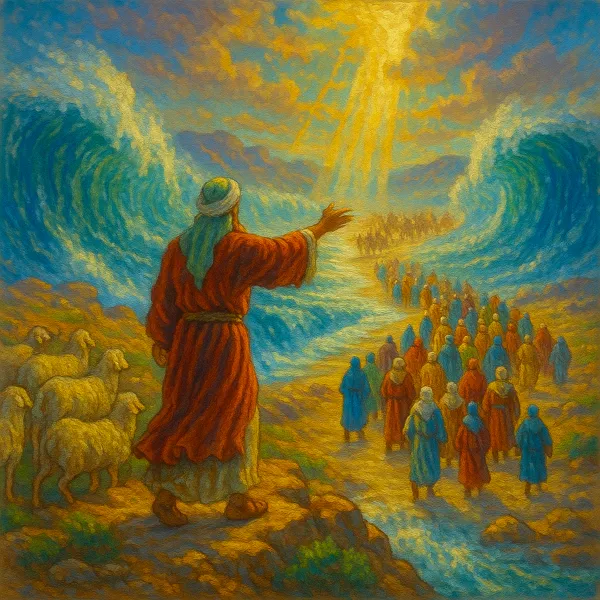
Prophet Musa (AS)
The most mentioned prophet - liberation of Bani Israel from Pharaoh.
Surah Al-Qasas
Prophet Yunus (AS)
Swallowed by the whale, saved by his repentance and prayer.
Surah Al-Anbiya
Prophet Isa (AS)
Born miraculously to Maryam, performed miracles by Allah's permission.
Surah Al-ImranProphet Muhammad (SAW) - The Final Messenger
The Seal of the Prophets, sent as a mercy to all of mankind with the final and complete revelation - the Holy Quran.

Before Prophethood
The early life of Muhammad, known as Al-Amin (The Trustworthy).
The First Revelation
The moment Angel Jibreel appeared in Cave Hira with "Iqra!"
The Night Journey
Al-Isra wal Mi'raj - the miraculous journey to Jerusalem and the heavens.

The Hijrah
The historic migration from Makkah to Madinah.

Conquest of Makkah
The peaceful victory and forgiveness of the Quraysh.

The Farewell Sermon
The Prophet's final address to over 100,000 Muslims at Arafat.
Understanding Prophets in Islam
The Role of Prophets
In Islamic belief, prophets serve as intermediaries between Allah and humanity. They receive divine revelation (wahy) and are tasked with conveying Allah's message to their people. Every prophet was a human being - they ate food, walked in markets, and experienced the same trials as their communities. What set them apart was their divine appointment and their exemplary character.
Prophet vs. Messenger
Islam distinguishes between a prophet (nabi) and a messenger (rasul). A prophet receives revelation and guides people according to an existing divine law. A messenger brings a new scripture or a new shari'ah (divine law). All messengers are prophets, but not all prophets are messengers. For example, Prophet Dawud received the Zabur (Psalms) and Prophet Musa received the Torah, making them both prophets and messengers.
Common Message of All Prophets
Despite being sent to different nations across different times, every prophet in Islam delivered the same core message:
- Tawhid: The absolute Oneness of Allah - there is no god but Allah
- Worship: Direct worship of Allah alone, without intermediaries
- Accountability: Belief in the Day of Judgment and life after death
- Morality: Upholding justice, truthfulness, and ethical conduct
The 5 Greatest Prophets (Ulul Azm)
Five prophets hold the title "Ulul Azm" (Prophets of Strong Will), recognized for their extraordinary perseverance and the magnitude of their missions:
- Prophet Nuh (AS) - Preached for 950 years despite nearly universal rejection
- Prophet Ibrahim (AS) - Stood alone against idol worship and was tested with the sacrifice of his son
- Prophet Musa (AS) - Confronted Pharaoh and led Bani Israel to freedom
- Prophet Isa (AS) - Performed extraordinary miracles and will return before the Day of Judgment
- Prophet Muhammad (SAW) - The final messenger who brought the Quran and established the Muslim ummah
How Many Prophets Were Sent?
According to a hadith reported by Abu Dharr (RA), the Prophet Muhammad (SAW) stated that Allah sent 124,000 prophets throughout history, to every nation and community. Of these, 315 were also messengers. However, the Quran specifically names only 25 of them, and it is these 25 whose stories we know in detail.
"And there is no community but a warner has passed among them."
Surah Fatir (35:24)Prophets in Islam vs. Christianity and Judaism
Islam, Christianity, and Judaism are collectively known as the Abrahamic faiths because they all trace their spiritual lineage back to Prophet Ibrahim (Abraham). A significant number of prophets are shared across all three religions, and understanding the similarities and differences helps provide a richer appreciation of each tradition's perspective on divine guidance.
Shared Prophets Across the Three Faiths
Many of the 25 prophets mentioned in the Quran are recognized in the Bible and Torah as well. These include:
- Adam -- recognized as the first human in all three faiths
- Nuh (Noah) -- the story of the Great Flood is common to all
- Ibrahim (Abraham) -- the patriarch of all three religions
- Musa (Moses) -- the lawgiver who received the Torah/Tawrat
- Dawud (David) -- king and psalmist
- Sulayman (Solomon) -- the wise king
- Isa (Jesus) -- a central figure in both Islam and Christianity, though understood differently
Prophets Unique to Islamic Tradition
Several prophets in Islam are not found in the Bible, including Hud (sent to the people of 'Ad), Saleh (sent to Thamud), and Shu'aib (sent to Madyan). These prophets were sent to Arabian communities and their stories are preserved in the Quran. Scholars also note that Dhul-Kifl and Idris, while sometimes associated with biblical figures, have distinct identities within Islamic scholarship.
The Key Difference: Muhammad (SAW) as the Final Prophet
The most fundamental distinction is Islam's belief that Prophet Muhammad (SAW) is the final prophet sent by Allah to all of humanity, not just one particular nation. The Quran states: "Muhammad is not the father of any of your men, but he is the Messenger of Allah and the Seal of the Prophets" (Quran 33:40). Christianity and Judaism do not recognize Muhammad as a prophet. Additionally, while Christians consider Isa (Jesus) to be the Son of God and part of the Trinity, Islam reveres Isa as a mighty prophet and messenger of Allah -- a human being chosen for a unique mission, but not divine. This respectful disagreement on the nature of Isa is one of the core theological differences between the two faiths.
"Say: We believe in Allah, and in what has been revealed to us, and in what was revealed to Ibrahim, Ismail, Ishaq, Yaqub, and the tribes, and in what was given to Musa and Isa and the prophets from their Lord. We make no distinction between any of them, and to Him we are submitters."
Surah Al-Imran (3:84)Listen to All Prophet Stories in the App
Experience the stories of all 25 prophets with professional narration and immersive ambient sounds in the Qissah app.
Frequently Asked Questions
Common questions about the prophets in Islam
How many prophets are there in Islam?
According to a hadith narrated by Abu Dharr, Allah sent 124,000 prophets to guide humanity throughout history. However, only 25 prophets are mentioned by name in the Holy Quran. These include Adam, Idris, Nuh, Hud, Saleh, Ibrahim, Lut, Ismail, Ishaq, Yaqub, Yusuf, Shu'aib, Ayyub, Dhul-Kifl, Musa, Harun, Dawud, Sulayman, Ilyas, Al-Yasa, Yunus, Zakariya, Yahya, Isa, and Muhammad (peace be upon them all).
Who was the first prophet in Islam?
Prophet Adam (AS) was the first prophet in Islam. He was created by Allah from clay, taught the names of all things, and was the first human being placed on Earth. His story is detailed in Surah Al-Baqarah and Surah Al-A'raf. You can read the full story of Prophet Adam on our website.
Who is the last prophet in Islam?
Prophet Muhammad (SAW) is the last and final prophet in Islam, known as "Khatam an-Nabiyyin" (the Seal of the Prophets). He received the Holy Quran over 23 years and his message is for all of humanity until the Day of Judgment. Explore the complete Seerah series in the Qissah app.
What is the difference between a prophet and a messenger in Islam?
In Islam, all messengers (rasul) are prophets (nabi), but not all prophets are messengers. A prophet receives divine revelation and guidance, while a messenger is specifically sent with a new scripture or divine law (shari'ah). For example, Musa (Moses) was a messenger because he brought the Torah, while some prophets reinforced existing laws without a new scripture.
Which prophet is mentioned most in the Quran?
Prophet Musa (Moses) is mentioned the most in the Quran, appearing by name approximately 136 times. His story is the most detailed, covering his birth, confrontation with Pharaoh, the exodus, receiving the Torah at Mount Sinai, and his journey with Al-Khidr. Read the story of Prophet Musa to learn more.
Are the prophets in Islam the same as in Christianity and Judaism?
Many prophets are recognized across all three Abrahamic faiths, including Adam, Noah (Nuh), Abraham (Ibrahim), Moses (Musa), and Jesus (Isa). However, Islam also recognizes prophets like Hud, Saleh, and Shu'aib who are unique to Islamic tradition. The key difference is that Islam considers Muhammad (SAW) as the final prophet, while Christianity and Judaism do not.
Who are the Ulul Azm (greatest) prophets in Islam?
The Ulul Azm (Prophets of Strong Will) are the five greatest prophets in Islam: Nuh (Noah), Ibrahim (Abraham), Musa (Moses), Isa (Jesus), and Muhammad (SAW). They are distinguished for their extraordinary patience, resolve, and the magnitude of their missions. Allah commands in Surah Al-Ahqaf (46:35): "So be patient, as were those of determination among the messengers." These five prophets endured the greatest trials and brought the most significant messages and scriptures to humanity.
Are there any female prophets in Islam?
The majority scholarly opinion in Islam is that all prophets were male. However, Maryam (Mary), the mother of Prophet Isa (Jesus), holds the highest status among women in Islam. She is the only woman mentioned by name in the Quran, and an entire surah -- Surah Maryam (chapter 19) -- is named after her. While not considered a prophet by most scholars, she received divine communication through angels and is regarded as one of the most righteous and honored women in all of Islamic history. The Quran states: "And when the angels said, 'O Maryam, indeed Allah has chosen you and purified you and chosen you above the women of the worlds'" (Quran 3:42).
What lessons can we learn from the prophets in Islam?
The prophets in Islam teach timeless virtues that remain relevant for daily life. Prophet Ayyub (Job) teaches patience through unbearable hardship. Prophet Ibrahim (Abraham) exemplifies complete trust in Allah, even when asked to sacrifice his son. Prophet Yusuf (Joseph) demonstrates the power of forgiveness -- he forgave his brothers who threw him in a well. Prophet Nuh (Noah) shows perseverance, preaching for 950 years without giving up. Prophet Sulayman (Solomon) models gratitude despite having the greatest kingdom on Earth. Prophet Yunus (Jonah) teaches the importance of repentance and turning back to Allah. And Prophet Musa (Moses) stands as an example of courage in the face of tyranny. Each prophet's story offers practical guidance for believers facing their own trials.
Which surah mentions the most prophets?
Surah Al-Anbiya (The Prophets, chapter 21) mentions 16 prophets by name, making it the surah with the most prophets referenced in a single chapter. The prophets mentioned include Ibrahim, Lut, Ishaq, Yaqub, Nuh, Dawud, Sulayman, Ayyub, Ismail, Idris, Dhul-Kifl, Yunus, Zakariya, Yahya, Isa, and Musa (peace be upon them all). The surah highlights how all prophets shared the same fundamental message of monotheism (Tawhid) and how Allah supported each one through miracles and divine protection.
What Muslims Are Saying
"Absolutely amazing app! Better that I could test it before committing to subscription, which so far has been well worth it. Alhamdulillah, this will definitely be very beneficial to new and existing Muslims alike."
On your computer?
Scan with your phone to get Qissah free on iOS.

"I got to admit this helps out more to get into the Quran. The story telling really brings the message alive."
Explore Prophet Stories with Narration, Quran References & AI Chat
Download Qissah for professionally narrated stories of all 25 prophets, complete Quran, AI Islamic chat, and daily dhikr.
Start Listening Free